
Skip to content

THE GYAN GANGA

Know Everythings

  • Home
  • Health
  • Knowledge
  • Biography
  • Tourist Place
  • WEIGHT LOSS
  • Home Remedies
  • Politics
  • Toggle search form
  • Discover Inspiring Ansel Adams Quotes Quotes
  • मुल्तानी मिट्टी के फायदे और उपयोग | Multani mitti ke fayde aur nuksan
    मुल्तानी मिट्टी के फायदे और उपयोग | Multani mitti ke fayde aur nuksan Health
  • साइबर क्राइम क्या है, कैसे बचा जाएं और क्या है दण्ड का प्रावधान :——-
    साइबर क्राइम क्या है, कैसे बचा जाएं और क्या है दण्ड का प्रावधान :——- Knowledge
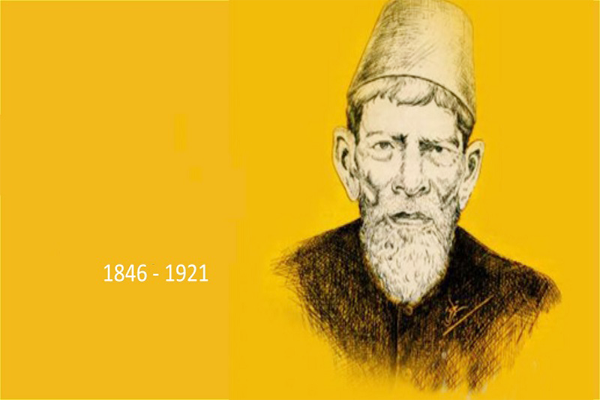
  • उर्दू के मशहूर शायर अकबर इलाहाबादी का जीवन परिचय :-
    उर्दू के मशहूर शायर अकबर इलाहाबादी का जीवन परिचय :- Biography
  • Discover Brigitte Bardot Quotes Quotes
  • ★  रौशनी का त्यौहार  ::: दिवाली  ★
    ★ रौशनी का त्यौहार ::: दिवाली ★ Knowledge
  • Judicial Review, Judicial Activism, and Public Interest Litigation Uncategorized
  • चाय  का बिज़नेस कैसे स्टार्ट करे कमाए लाखो का मुनाफा | How to Start Tea Business
    चाय का बिज़नेस कैसे स्टार्ट करे कमाए लाखो का मुनाफा | How to Start Tea Business Uncategorized

Directive Principle of State Policy

Posted on February 25, 2026February 26, 2026 By admin

CLICK HERE TO START TEST Directive Principle of State Policy

1 / 52

राज्य नीति के निदेशक तत्वों का उल्लेख संविधान के किस भाग में है?
In which part of the Constitution are the Directive Principles of State Policy mentioned?

2 / 52

राज्य के नीति निदेशक तत्वों का विचार कहाँ से लिया गया है?
From which country was the idea of Directive Principles of State Policy borrowed?

3 / 52

भारतीय संविधान में नीति-निदेशक तत्व को आयरलैंड के संविधान से अधिग्रहित किया गया था। आयरलैंड के संविधान में नीति-निदेशक तत्व को किस देश के संविधान से अधिग्रहित किया गया था?
The Directive Principles were taken from the Irish Constitution. From which country's constitution did Ireland borrow these principles?

4 / 52

निम्नलिखित में से किसने नीति-निदेशक तत्व को 'विशेषता' वाला बताया?
Who among the following described the Directive Principles as a "Novel Feature" of the Constitution?

5 / 52

निम्नलिखित में से किसने नीति-निदेशक तत्व को 'विशेषता' वाला बताया?
Who among the following described the Directive Principles as a "Novel Feature" of the Constitution?

6 / 52

किसने निदेशक तत्व और अधिकारों को 'संविधान की मूल आत्मा' कहा है?
Who described the Directive Principles and Fundamental Rights as the "Conscience (Soul) of the Constitution"?

7 / 52

Consider the following statements:
1. The phrase "Directive Principles of State Policy" makes it clear that the State shall keep these principles in mind while framing policies and laws.
2. According to Article 36, the term "State" in Part IV has the same meaning as it does in Part III (Fundamental Rights).

8 / 52

निम्नलिखित में से किस विचारक के अनुसार निदेशक तत्व उन्हीं अनुदेशों के समान हैं, जो भारत शासन अधिनियम, 1935 के अंतर्गत ब्रिटिश सरकार द्वारा गवर्नर जनरल और भारत की औपनिवेशिक कॉलोनियों के गवर्नरों को जारी किये जाते थे?
According to which thinker are the Directive Principles similar to the "Instruments of Instructions" issued to the Governor General and Governors under the Government of India Act, 1935?

9 / 52

राज्य के नीति-निदेशक तत्वों का उद्देश्य है-
The objective of the Directive Principles of State Policy is:

10 / 52

राज्य के नीति-निदेशक तत्व किस लोकतंत्र की स्थापना नहीं करता है?
Which type of democracy do the Directive Principles of State Policy NOT establish?

11 / 52

िम्नलिखित कथनों पर विचार कीजिए:
1. निदेशक-तत्वों की प्रकृति गैर-न्यायोचित है।
2. उनके हनन पर न्यायालय द्वारा लागू नहीं किया जा सकता है।
Consider the following statements:
1. The nature of Directive Principles is non-justiciable.
2. They cannot be enforced by the courts if they are violated.

12 / 52

Consider the following statements:
1. The classification of Directive Principles into three parts has been done by the Constitution itself.
2. They are divided into three broad categories: Socialistic, Gandhian, and Liberal-Intellectual.

13 / 52

संविधान के किस अनुच्छेद में यह उल्लेख है कि निदेशक-तत्व देश के शासन में मूलभूत हैं और विधि बनाने में इन तत्वों को लागू करना राज्य का कर्तव्य होगा?
Which Article of the Constitution states that the Directive Principles are fundamental in the governance of the country and it shall be the duty of the State to apply these principles in making laws?

14 / 52

In which Article of the Constitution is the provision to ensure a social order for the promotion of public welfare and to eliminate inequalities in income, status, facilities, and opportunities mentioned?

15 / 52

पोषाहार स्तर और जीवन को ऊँचा करना तथा लोक स्वास्थ्य का सुधार करने संबंधी प्रावधान का उल्लेख संविधान के अनुच्छेद 47 में है। निम्नलिखित में इसे नीति निदेशक तत्व के किस सिद्धांत के अंतर्गत रखा गया है?
The provision regarding raising the level of nutrition and standard of living and improving public health is mentioned in Article 47. Under which principle of Directive Principles is this placed?

16 / 52

समान न्याय एवं गरीबों को निःशुल्क विधिक सहायता उपलब्ध कराने से संबंधी प्रावधान का उल्लेख संविधान के अनुच्छेद में है-
The provision related to providing equal justice and free legal aid to the poor is mentioned in which Article of the Constitution?

17 / 52

Article 41 is related to-

18 / 52

काम की न्यायसंगत और मानवोचित दशाओं तथा प्रसूति सहायता का उपबंध का प्रधान संविधान के किस अनुच्छेद में है?
In which Article of the Constitution is the provision for just and humane conditions of work and maternity relief mentioned?

19 / 52

Article 43A is related to-

20 / 52

सभी कर्मकारों के लिए निर्वाह मजदूरी शिष्ट जीवन स्तर तथा सामाजिक सांस्कृतिक अवसर से संबंधित प्रावधान का उल्लेख संविधान के किस अनुच्छेद में है?
In which Article of the Constitution is the provision regarding a living wage, a decent standard of life, and social and cultural opportunities for all workers mentioned?

21 / 52

ग्राम पंचायतों का गठन और उन्हें आवश्यक शक्तियों से संबंधित प्रावधान को नीति-निदेशक तत्व के किस सिद्धांत के अंतर्गत रखा गया है?
Under which principle of Directive Principles is the provision regarding the organization of Village Panchayats and providing them necessary powers placed?

22 / 52

Article 43 is related to-

23 / 52

नीति-निदेशक तत्व के किस अनुच्छेद में अनुसूचित जाति एवं जनजाति और समाज के कमजोर वर्गों के शैक्षणिक एवं आर्थिक हितों के प्रोत्साहन और शोषण से सुरक्षा संबंधी प्रावधान का उल्लेख है?
Which Article of Directive Principles mentions the promotion of educational and economic interests of SCs, STs, and weaker sections and their protection from exploitation?

24 / 52

Article 51 of the Constitution is related to-

25 / 52

गाय, बछड़ा व अन्य दुधारू पशुओं की बलि पर रोक संबंधित प्रावधान का उल्लेख संविधान के अनुच्छेद 48 में है। निम्नलिखित में इसे नीति-निदेशक के किस सिद्धांत के अंतर्गत रखा गया है?
The provision regarding the prohibition of the slaughter of cows, calves, and other milch animals is in Article 48. Under which principle of Directive Principles is this placed?

26 / 52

Article 47 is related to-

27 / 52

In which Article of the Constitution is the Uniform Civil Code for all states of India mentioned?

28 / 52

भारत में समान सिविल संहिता की माँग पर निम्नलिखित में से किसका प्रभाव दिखाई देता है?
Whose influence is visible in the demand for a Uniform Civil Code in India?

29 / 52

Article 45 is related to-

30 / 52

कृषि और पशुपालन को आधुनिक और वैज्ञानिक प्रणालियों से करने से संबंधी प्रावधान संविधान के किस अनुच्छेद में है?
In which Article of the Constitution is the provision for organizing agriculture and animal husbandry on modern and scientific lines?

31 / 52

भारतीय संविधान के अनुच्छेद 48 में उल्लिखित पर्यावरण का संरक्षण तथा संवर्द्धन पर किस विचारधारा का प्रभाव दृष्टिगोचर होता है?
Which ideology's influence is visible in the protection and improvement of the environment mentioned in Article 48A (referred to as 48 in the )?

32 / 52

Article 49 is related to-

33 / 52

भारतीय संविधान के किस अनुच्छेद में शक्ति का पृथक्करण से संबंधित है?
Which Article of the Indian Constitution is related to the separation of powers?

34 / 52

Article 51 of the Constitution is related to-

35 / 52

संविधान का अनुच्छेद 51 पर किस विचारधारा का प्रभाव दृष्टिपात होता है?
Which ideology's influence is seen in Article 51 of the Constitution?

36 / 52

Which of the following new elements were added to the original list of Directive Principles by the 42nd Constitutional Amendment?

37 / 52

Consider the following statements:
The provision regarding workers' participation in the management of industries (43A) was added by the 42nd Amendment, 1976.
The provision related to environmental protection was added by the 44th Amendment.
Which statement(s) is/are correct?

38 / 52

By which Constitutional Amendment was the provision to eliminate inequality in income, status, and opportunities added?

39 / 52

Match the following:
(A) Promotion of cooperative societies                        (iv) 43B
(B) Participation of workers in management              (i) 43A
(C) Certain principles of policy to be followed by the State       (iii) 39
(D) Environmental protection                                                         (ii) 48A

40 / 52

Which person recommended that individual rights should be divided into two categories: Justiciable and Non-Justiciable?

41 / 52

Who stated that a government responsible to popular will cannot ignore the mentioned provisions (DPSP)?

42 / 52

निम्नलिखित में से नीति-निदेशक तत्व के बारे में यह किसने कहा कि 'लोकप्रिय मत पर कार्य करने वाली सरकार इसके लिए नीति बनाते समय निदेशक तत्वों की अवहेलना नहीं कर सकती है'?
Regarding Directive Principles, who said: "A government which rests on popular vote can hardly ignore the Directive Principles while shaping its policy"?

43 / 52

निम्नलिखित में से किन कारणों से संविधान निर्माताओं ने निदेशक सिद्धांतों को गैर-न्यायोचित एवं विधि रूप से लागू करने की बाध्यता वाला नहीं बनाया क्योंकि?
For which of the following reasons did the makers of the Constitution make the Directive Principles non-justiciable and not legally binding?

44 / 52

निम्नलिखित में से किस आधार पर नीति-निदेशक तत्व की आलोचना की जाती है?
On which of the following grounds are the Directive Principles of State Policy criticized?

45 / 52

निम्नलिखित में से किस व्यक्ति ने नीति-निदेशक तत्व को 'अतिरेक कर्मकांडी' और 'ब्लैंक चेक' से तुलना किया है?
Which person compared the Directive Principles to 'superfluous ritual' and a 'blank check'?

46 / 52

निम्नलिखित में से किस व्यक्ति ने नीति-निदेशक तत्व को भावनाओं का स्थायी कूड़ाघर कहा है?
Which person called the Directive Principles a "permanent dustbin of sentiments"?

47 / 52

किसने निदेशक तत्व को लक्ष्य एवं आकांक्षाओं का घोषणा पत्र कहा और इन्हें धार्मिक उपदेश बताया?
Who called the Directive Principles a manifesto of aims and aspirations and described them as moral precepts?

48 / 52

Who described the Directive Principles as "pious superfluities" (ritualistic)?

49 / 52

निम्नलिखित में से किस वाद में उच्चतम न्यायालय ने यह व्यवस्था दी कि मूल अधिकार एवं निदेशक सिद्धांतों के बीच टकराव में मूल अधिकार प्रभावी होंगे?
In which of the following cases did the Supreme Court rule that in a conflict between Fundamental Rights and Directive Principles, Fundamental Rights would prevail?

50 / 52

Consider the following statements:
1. Fundamental Rights are violable in nature.
2. Fundamental Rights cannot be amended to implement Directive Principles.
Which of the above statements is/are correct?

51 / 52

Consider the following statements:
1. Fundamental Rights are negative in character, while Directive Principles are positive.
2. Fundamental Rights promote individual welfare, while Directive Principles promote the welfare of the community.

52 / 52

किस वाद में उच्चतम न्यायालय ने यह व्यवस्था दी कि 'भारतीय संविधान मूल अधिकारों और निदेशक तत्वों के बीच संतुलन के रूप में है' ?
In which case did the Supreme Court rule that "The Indian Constitution is founded on the bedrock of the balance between Fundamental Rights and Directive Principles"?

Your score is

The average score is 0%

0%

Directive Principles of State Policy (DPSP): Complete Notes & MCQs for SSC, UPSC & State PCS

Hello Aspirants! Welcome to this comprehensive and exam-oriented guide on the Directive Principles of State Policy (DPSP). Whether you are preparing for SSC CGL, Railway NTPC, State PCS, or UPSC exams, DPSP is a high-weightage and recurring topic in the Indian Polity section.

In simple words, DPSPs are the “guidelines” or “instructions” given to the Central and State governments to keep in mind while framing laws and policies. Their primary aim is to establish a Welfare State in India.


1. Basic Facts of DPSP (Quick Revision Points)

  • Part of Constitution: Part IV
  • Articles: Article 36 to 51
  • Borrowed From: Ireland (The Irish Constitution of 1937, which originally copied it from the Spanish Constitution).
  • Nature: Non-justiciable (You cannot go to court if the government fails to implement them).
  • Important Committee: The Tej Bahadur Sapru Committee (1945) recommended dividing individual rights into two distinct categories: Justiciable (Fundamental Rights) and Non-justiciable (DPSP).
  • Special Mentions: Dr. B.R. Ambedkar called them the “Novel Features” of the Indian Constitution. They closely resemble the “Instrument of Instructions” enumerated in the Government of India Act of 1935.

2. Classification of DPSP

The Constitution of India does not formally classify DPSPs. However, based on their content and direction, they are broadly divided into three categories:

  1. Socialistic Principles: Aim to reduce inequality, provide social & economic justice, and set the path towards a welfare state. (Articles 38, 39, 39A, 41, 42, 43, 43A, 47)
  2. Gandhian Principles: Based on Mahatma Gandhi’s ideology and reconstruction program championed during the national movement. (Articles 40, 43, 43B, 46, 47, 48)
  3. Liberal-Intellectual Principles: Focus on modern, scientific, and progressive thoughts. (Articles 44, 45, 48, 48A, 49, 50, 51)

3. Most Important Articles for Competitive Exams

  • Article 39A: Equal justice and free legal aid to the poor.
  • Article 40: Organization of Village Panchayats (Highly repeated in SSC & Railway exams).
  • Article 44: Uniform Civil Code (UCC) for the citizens throughout the country.
  • Article 45: Provision for early childhood care and education for children below the age of 6 years.
  • Article 48A: Protection and improvement of environment, forests, and wildlife.
  • Article 50: Separation of the Judiciary from the Executive.
  • Article 51: Promotion of international peace and security.

4. Important Constitutional Amendments Related to DPSP

Examiners love asking about provisions added later via amendments. Memorize these:

  • 42nd Amendment Act (1976): Added four new DPSPs to the list: Articles 39(f), 39A, 43A, and 48A.
  • 44th Amendment Act (1978): Added Article 38(2), which requires the State to minimize inequalities in income, status, facilities, and opportunities.
  • 86th Amendment Act (2002): Changed the subject matter of Article 45 and made elementary education a Fundamental Right under Article 21A.
  • 97th Amendment Act (2011): Added Article 43B regarding the promotion of Co-operative Societies.

5. Common Exam Traps & Confusing Points 🚨

  • Trap 1: “DPSPs are enforceable in a court of law.”
    • Correction: False! They are strictly non-justiciable (Article 37).
  • Trap 2: “DPSP establishes Political Democracy.”
    • Correction: False! Fundamental Rights establish Political Democracy, whereas DPSPs establish Social and Economic Democracy.
  • Trap 3: Article 45 vs. Article 21A.
    • Correction: Article 21A is a Fundamental Right ensuring education for children aged 6 to 14 years. Article 45 is a DPSP directing the state to provide early childhood care for children below 6 years.
  • Trap 4: DPSP vs. Fundamental Duties.
    • Correction: DPSP (Part IV) are duties of the State. Fundamental Duties (Part IVA) are duties of the Citizens.

6. Exam Relevance: How Questions are Framed

  • SSC / Railway / One-Day Exams: Focus heavily on direct factual data. They will ask you to match the Article number with its provision (e.g., “Which Article talks about the separation of judiciary from the executive?”).
  • State PCS & UPSC Prelims: Focus on conceptual clarity. Questions revolve around the Sapru Committee, ideological classifications (identifying which principle is Gandhian vs. Socialistic), and the exact amendments that added specific DPSPs.

7. Practice MCQs (Test Your Knowledge)

Q1. From which country’s constitution was the concept of Directive Principles of State Policy borrowed?

A) USA

B) UK

C) Ireland

D) Australia

Answer: C) Ireland

Explanation: India borrowed DPSP from the Irish Constitution of 1937, which had originally copied it from the Spanish Constitution.

Q2. Which of the following Articles directs the State to organize Village Panchayats?

A) Article 39

B) Article 40

C) Article 42

D) Article 44

Answer: B) Article 40

Explanation: Article 40 is a Gandhian principle that instructs the State to organize village panchayats and endow them with necessary powers.

Q3. The 42nd Amendment Act (1976) added which of the following Directive Principles?

A) Uniform Civil Code

B) Organization of agriculture and animal husbandry

C) Protection and improvement of environment and safeguarding of forests and wildlife

D) Promotion of international peace

Answer: C) Protection and improvement of environment…

Explanation: Article 48A (protection of environment) was added by the 42nd Constitutional Amendment Act, 1976.

Q4. Which committee is known for making the first distinction between justiciable and non-justiciable rights in Indian constitutional history?

A) Swaran Singh Committee

B) Balwant Rai Mehta Committee

C) Tej Bahadur Sapru Committee

D) Kothari Commission

Answer: C) Tej Bahadur Sapru Committee

Explanation: The Sapru Committee Report (1945) suggested dividing individual rights into justiciable (Fundamental Rights) and non-justiciable (DPSP) categories.

Q5. What is the main objective behind the inclusion of Directive Principles of State Policy in the Constitution?

A) To establish a secular state

B) To establish political democracy

C) To establish social and economic democracy

D) To check the arbitrary powers of the government

Answer: C) To establish social and economic democracy

Explanation: While Fundamental Rights ensure political democracy, the primary goal of DPSP is to realize the ideals of a welfare state by establishing social and economic democracy.


8. Short Revision Summary

FeatureDetails to Remember
LocationPart IV, Articles 36-51
SourceIreland
NatureNon-justiciable, positive instructions to the State
ObjectiveWelfare State, Social & Economic Democracy
Key Additions42nd CAA (1976), 44th CAA (1978), 86th CAA (2002), 97th CAA (2011)
Key Articles40 (Panchayats), 44 (UCC), 50 (Judiciary & Executive separation)

Uncategorized

Post navigation

Previous Post: Fumdamental Right
Next Post: Fundamental Duties in Indian Constitution

Related Posts

  • Tribunals in Indian Polity: Complete Study Notes for SSC, State PCS & UPSC Uncategorized
  • करना है कोई घर से व्यापार तो ” बेबी सिटिंग” का फॉर्मूला है तैयार
    करना है कोई घर से व्यापार तो ” बेबी सिटिंग” का फॉर्मूला है तैयार Uncategorized
  • Discover Inspiring Bill Watterson Quotes Uncategorized
  • National Human Rights Council Uncategorized
  • Oxidation and ReductionOxidation and ReductionOxidation and ReductionOxidation and ReductionOxidation and ReductionOxidation and ReductionOxidation and ReductionOxidation and ReductionOxidation and ReductionOxidation and Reduction Uncategorized
  • Comprehensive Guide to Emergency Provisions in Indian Constitution: SSC, Railway, State PCS & UPSC Uncategorized

  • Home
  • Health
  • Knowledge
  • Biography
  • Tourist Place
  • WEIGHT LOSS
  • Home Remedies
  • Politics
  • Home
  • Health
  • Knowledge
  • Biography
  • Tourist Place
  • WEIGHT LOSS
  • Home Remedies
  • Politics
  • ajinomoto ke fayde aur nuksan | अजीनोमोटो व उसके नुकसान क्या है
    ajinomoto ke fayde aur nuksan | अजीनोमोटो व उसके नुकसान क्या है Health
  • Edmund Waller Famous Quotes: Timeless Wisdom Quotes
  • शरद पवार की जीवनी  | Sharad Pawar Biography
    शरद पवार की जीवनी | Sharad Pawar Biography Biography
  • मुल्तानी मिटटी के चेहरे और त्वचा के फायदे
    मुल्तानी मिटटी के चेहरे और त्वचा के फायदे Home Remedies
  • आम के बारे में रोचक तथ्ये | जाने आम के प्रकार
    आम के बारे में रोचक तथ्ये | जाने आम के प्रकार Knowledge
  • Best Quotes about Lifes Quotes
  • Discover Inspiring Norman Wisdom Quotes! Quotes
  • ★ सारस पक्षी से जुडी रोचक तथ्ये  ★
    ★ सारस पक्षी से जुडी रोचक तथ्ये ★ Knowledge

Powered by PressBook News WordPress theme